Fluminalis Church Interiors
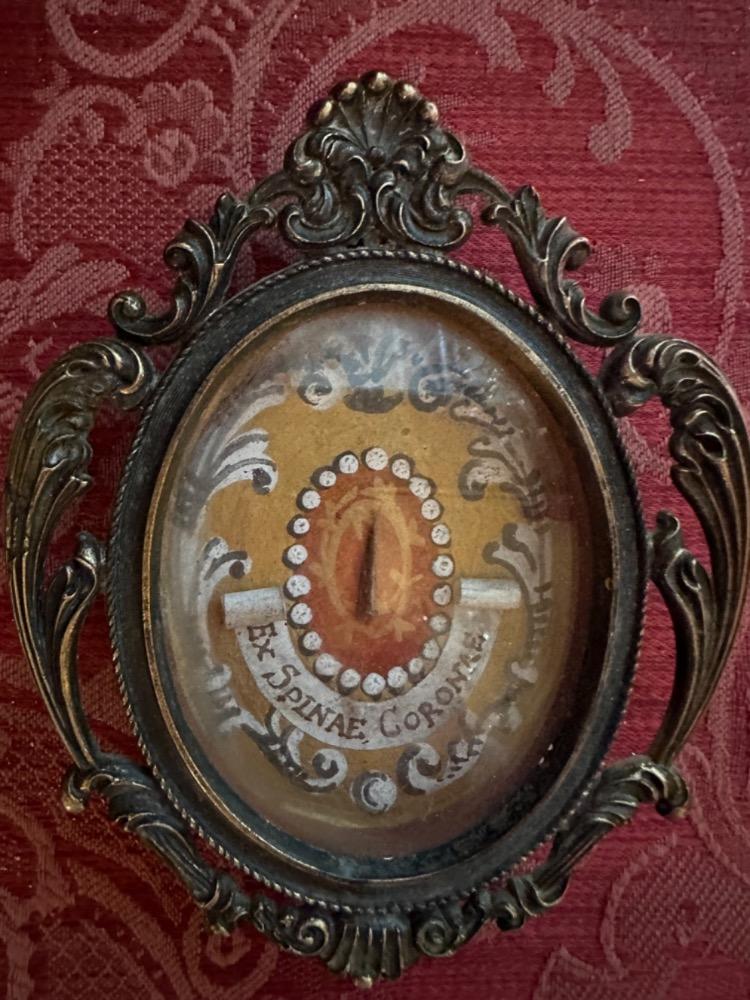
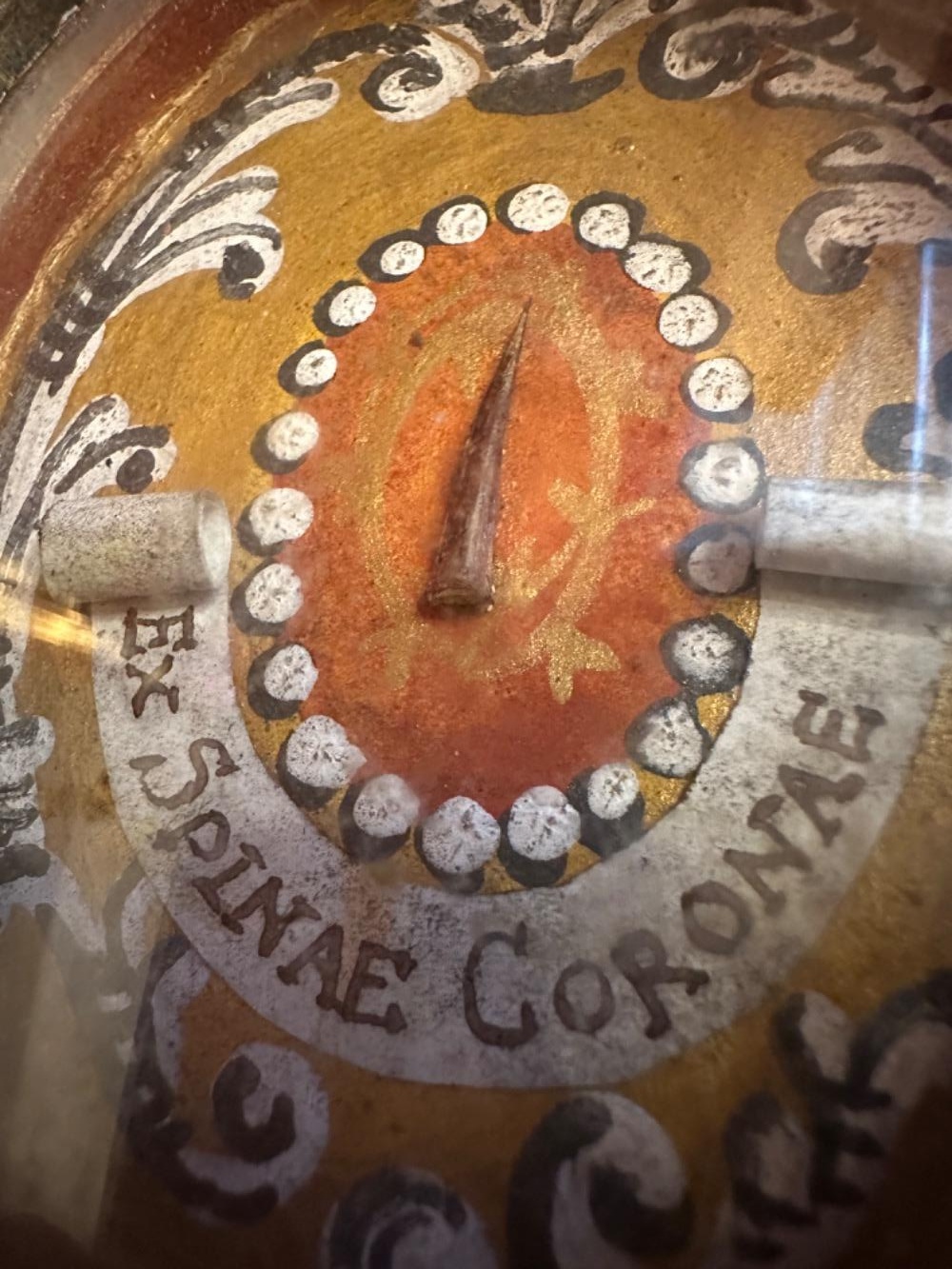
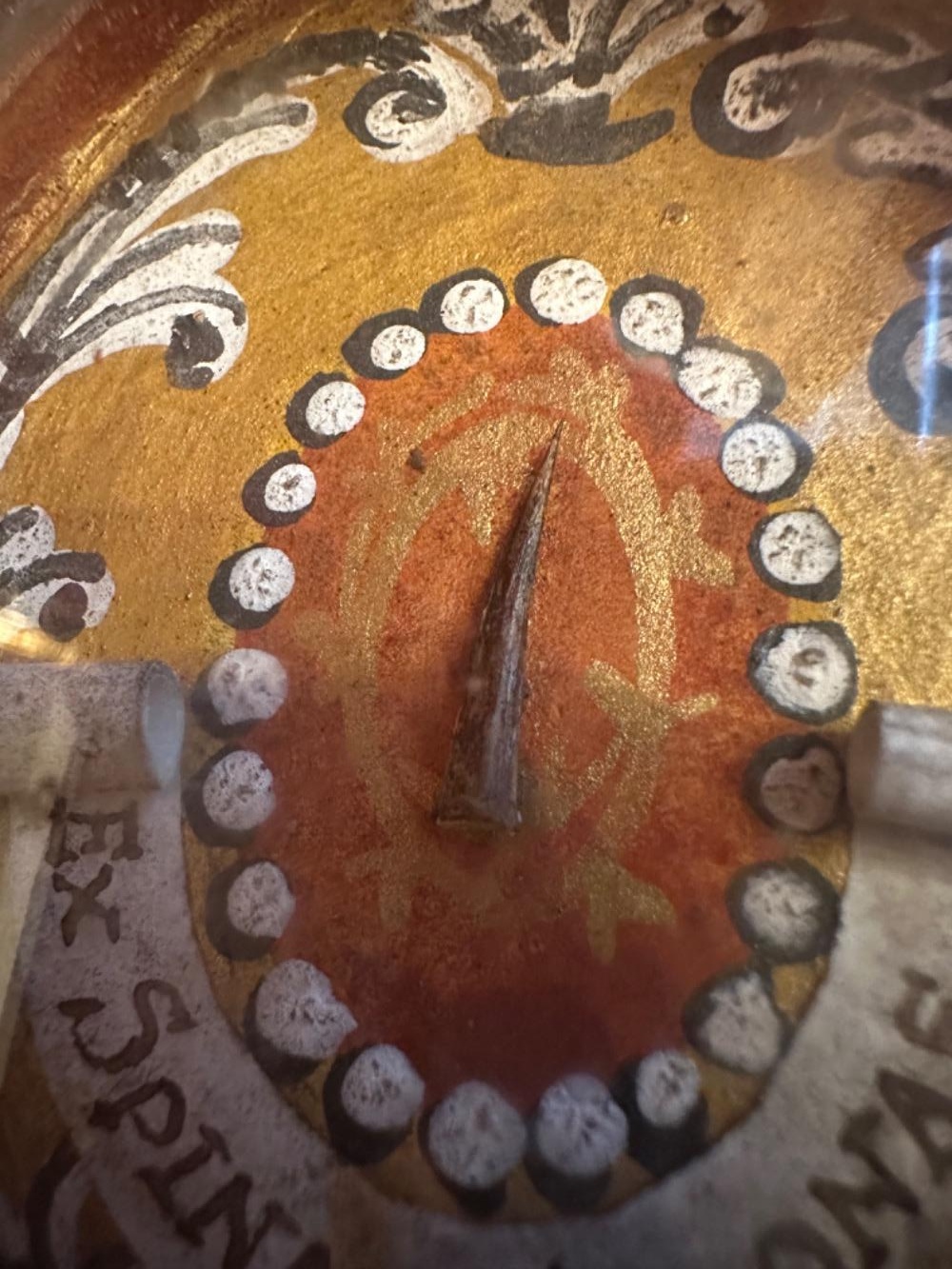
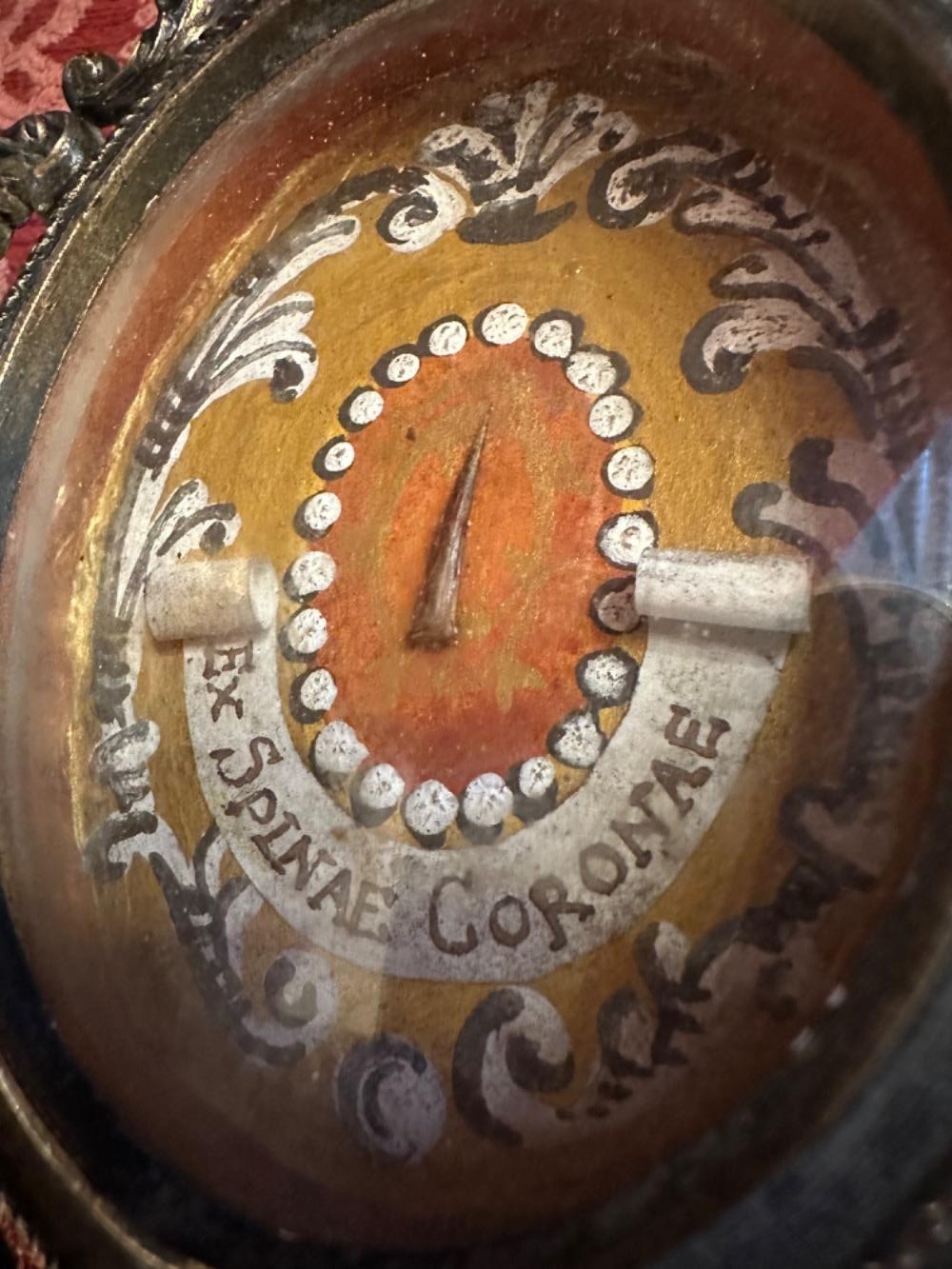
  • 1 Baroque - Style Reliquary - Relic Ex Spinae Coronae Dnjc
  • 1 Baroque - Style Reliquary - Relic Ex Spinae Coronae Dnjc
  • 1 Baroque - Style Reliquary - Relic Ex Spinae Coronae Dnjc
  • 1 Baroque - Style Reliquary - Relic Ex Spinae Coronae Dnjc
  • 1 Baroque - Style Reliquary - Relic Ex Spinae Coronae Dnjc
  • 1 Baroque - Style Reliquary - Relic Ex Spinae Coronae Dnjc
  • 1 Baroque - Style Reliquary - Relic Ex Spinae Coronae Dnjc
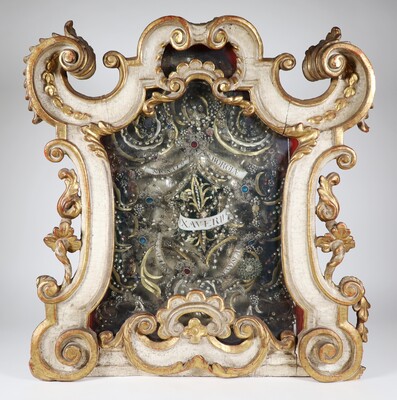
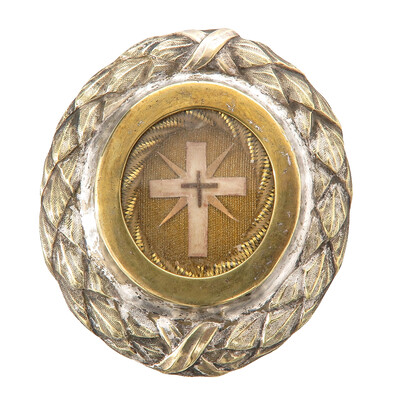
1 Baroque - Style Reliquary - Relic Ex Spinae Coronae Dnjc
Width 11 cm ( 4.33 inch)
Height 13 cm ( 5.12 inch)
Depth 2 cm ( 0.79 inch)
Description:
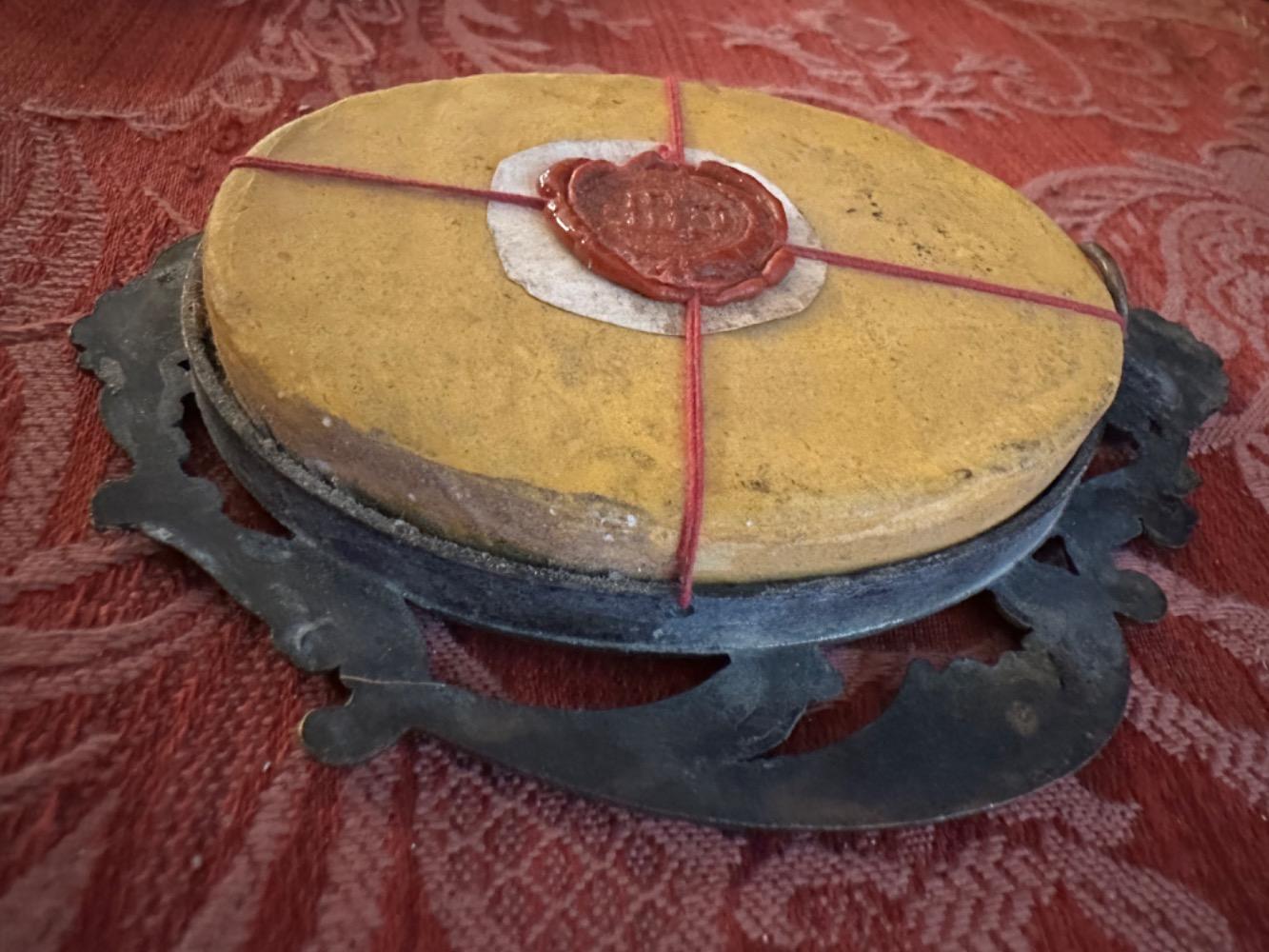
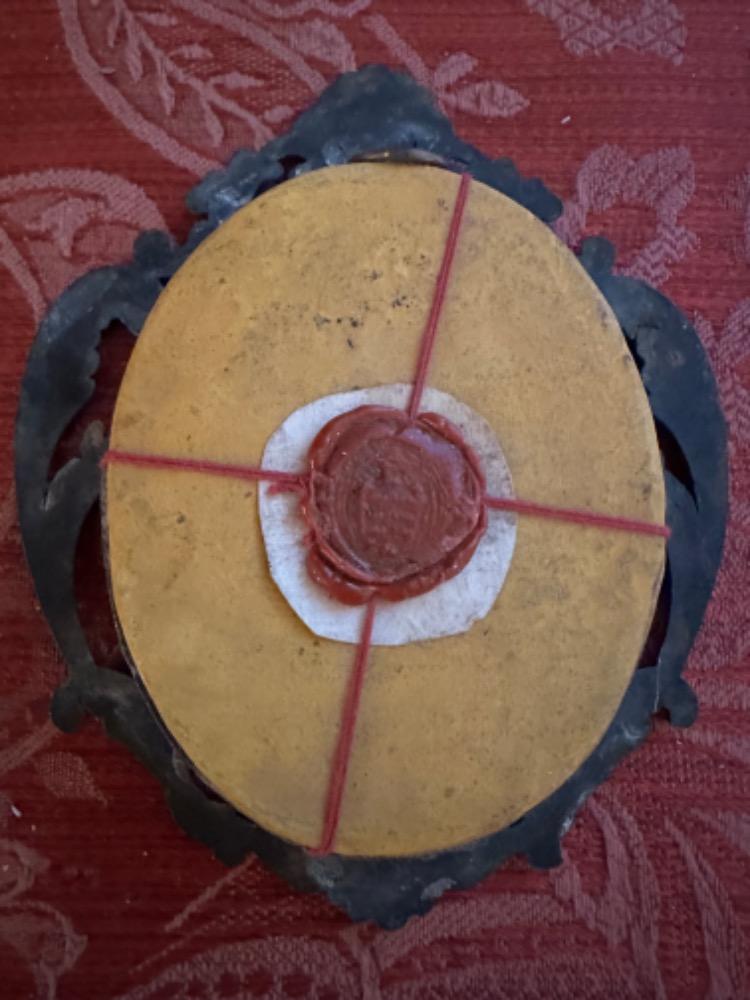
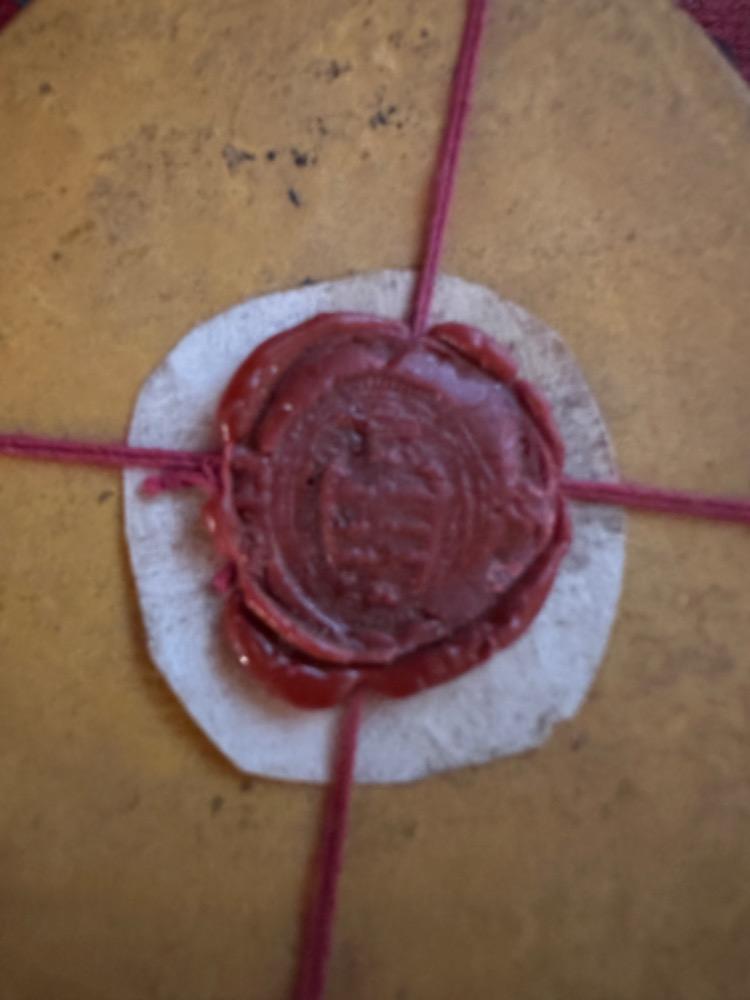
Reliquary - Relic Ex Spinae Coronae Dnjc style Baroque - Style en Brass / Bronze / Glass / Originally Sealed, Italy 19 th century


France In 1238, Baldwin II, the Latin Emperor of Constantinople, anxious to obtain support for his tottering empire, offered the crown of thorns to Louis IX of France. It was then in the hands of the Venetians as security for a great loan of 13,134 gold pieces, yet it was redeemed and conveyed to Paris where Louis IX built the Sainte-Chapelle, completed in 1248, to receive it. The relic stayed there until the French Revolution, when, after finding a home for a while in the Bibliothèque Nationale, the Concordat of 1801 restored it to the Catholic Church, and it was deposited in the Cathedral of Notre-Dame de Paris. The exact plant species used to make the crown is not confirmed. The relic that the church received was examined in the nineteenth century, and it appeared to be a twisted circlet of rushes of Juncus balticus, a plant native to maritime areas of northern Britain, the Baltic region, and Scandinavia. The thorns preserved in various other reliquaries appeared to be Ziziphus spina-christi, a plant native to Africa and Southern and Western Asia, and had allegedly been removed from the crown and kept in separate reliquaries since soon after they arrived in France. New reliquaries were provided for the relic, one commissioned by Napoleon Bonaparte, another, in jeweled rock crystal and more suitably Gothic, was made to the designs of Eugène Viollet-le-Duc. In 2001, when the surviving treasures from the Sainte-Chapelle were exhibited at the Louvre, the chaplet was solemnly presented every Friday at Notre-Dame. Pope John Paul II  it personally to Sainte-Chapelle during World Youth Day. The relic can be seen only on the first Friday of every month, when it is exhibited for a special veneration Mass, as well as each Friday of Lent (see also Feast of the Crown of Thorns). Members of the Paris Fire Brigade saved the relic during the Notre-Dame de Paris fire of April 15, 2019.

Request for more information
See more items of this dealer
Print
Fluminalis Church Interiors
Address:
Rijdt 2 ,
6631 AS Horssen
Region: Gelderland
Country: The-Netherlands
Tel.: +31 (0)487 541999
E-mail: info@fluminalis.com
Website: www.fluminalis.com
Pair   Candle Holders Expected !

Pair Candle Holders Expected !

Pair   Putti Expected !

Pair Putti Expected !

1 Gothic - Style Appocalyptic Lamp Expected !

1 Gothic - Style Appocalyptic Lamp Expected !

SOLD
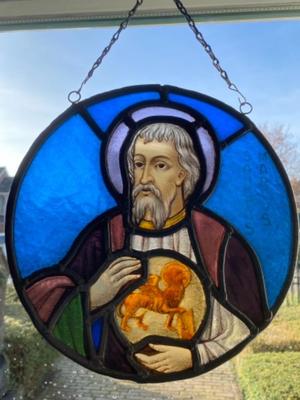
4 Gothic - style Stained Glass Windows 4 Evangelists

SOLD

4 Gothic - style Stained Glass Windows 4 Evangelists

1  Reliquary - Relic Relics :

1 Reliquary - Relic Relics : "S: Xavery","S: Ignaty", "S: Borgiae", "S: Aloysy" & "S: Stanislay" Expected !

1  Retable - Plague Depicting The Sacred Heart & Margareta Maria Alacoque

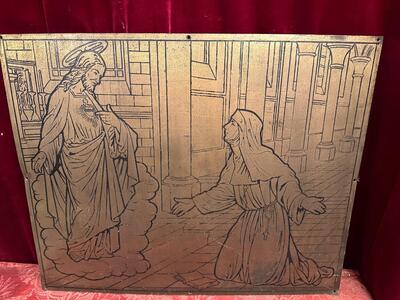
1 Retable - Plague Depicting The Sacred Heart & Margareta Maria Alacoque

1  First Class Reliquary - Relic Ex Ossibus St. Mary Magdalena With Original Document

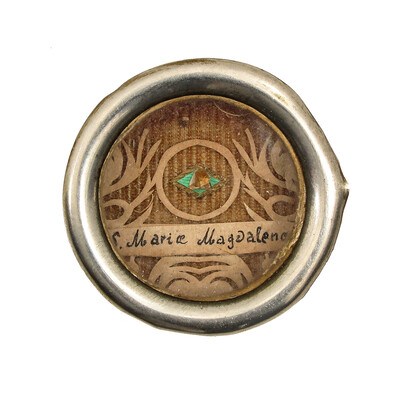
1 First Class Reliquary - Relic Ex Ossibus St. Mary Magdalena With Original Document

Saint
 
Mary Magdalene
Mary Magdalene (c. 1598) by Domenico Tintoretto, depicting her as a penitent
Apostle to the Apostles, Equal-to-the-Apostles, Myrrhbearer
Born Possibly Magdala, Roman Judea
Venerated in
  • Catholic Church
  • Eastern Orthodox Church
  • Oriental Orthodox Church
  • Anglican Communion
  • Lutheranism
  • other Protestant churches
  • BaháΚΌí Faith
Canonized Pre-Congregation
Feast 22nd of July
Attributes
  • Western: alabaster box of ointment
  • Eastern: container of ointment (as a myrrhbearer), or holding a red egg (symbol of the resurrection); embracing the feet of Christ after the Resurrection
Patronage
  • Apothecaries
  • Arahal, Spain
  • Atrani, Italy
  • Casamicciola Terme, Ischia
  • contemplative life
  • converts
  • Diocese of Salt Lake City
  • glovers
  • hairdressers
  • Kawit, Cavite
  • Amadeo, Cavite
  • Magdalena, Laguna
  • Santa Magdalena, Sorsogon
  • Santa Maria Magdalena, Hinigaran, Negros Occidental
  • Order of Preachers
  • perfumeries
  • people ridiculed for their piety
  • pharmacists
  • Pililla, Rizal
  • Provence
  • Maribor, Slovenia
  • penitent sinners
  • tanners
  • sexual temptation
  • women
1  Reliquary - Relic True Cross Expected !

1 Reliquary - Relic True Cross Expected !

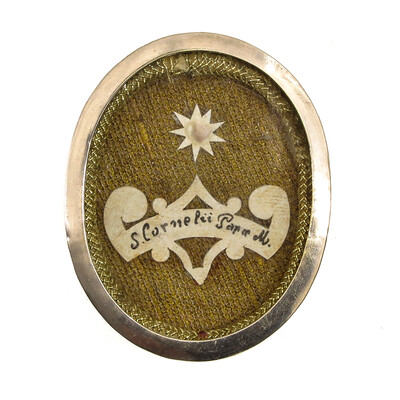
1  First Class Reliquary - Relic Ex Ossibus St. Cornelius Pope / Martyr With Original Document

1 First Class Reliquary - Relic Ex Ossibus St. Cornelius Pope / Martyr With Original Document

Pope Saint
 
Cornelius
Bishop of Rome
13th century mosaic of St. Cornelius from Santa Maria in Trastevere
Church Catholic Church
Papacy began 6 or 13 March 251
Papacy ended June 253
Predecessor Fabian
Successor Lucius I
Personal details
Born
Rome, Italy, Roman Empire[1]
Died June 253
Centum Cellae, Italy, Roman Empire
Sainthood
Feast day 16 September
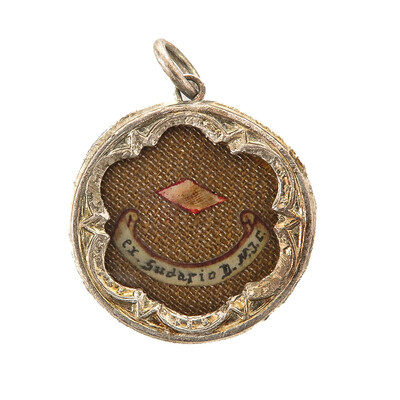
1  Reliquary - Relic Ex Sudario D.N.J.C Expected !

1 Reliquary - Relic Ex Sudario D.N.J.C Expected !

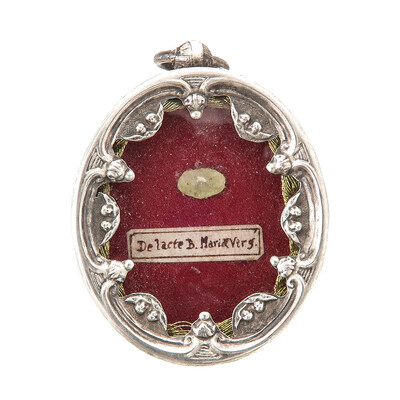
1  Reliquary - Relic Lacte B. Mariae Virg. Expected !

1 Reliquary - Relic Lacte B. Mariae Virg. Expected !

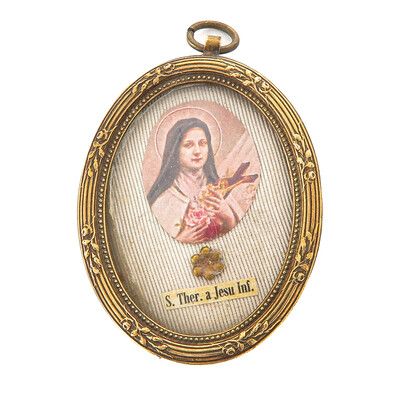
1  Reliquary - Relic St. Theresia Expected Very Soon  !

1 Reliquary - Relic St. Theresia Expected Very Soon !

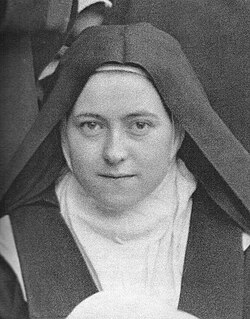
Saint
 
Therese of Lisieux
 
OCD
Saint Thérèse of Lisieux, 15 April 1895
Virgin and Doctor of the Church
Born Marie Françoise-Thérèse Martin
2 January 1873
Alençon, Orne, France
Died 30 September 1897 (aged 24)
Lisieux, Calvados, France
Venerated in Catholic Church
Beatified 29 April 1923 by Pope Pius XI
Canonized 17 May 1925 by Pope Pius XI
Major shrine Basilica of St. Thérèse, Lisieux, France
Feast
  • 1 October (Roman Calendar)
  • 3 October (Pre-1969 Roman Calendar, Melkite Calendar)
Attributes Discalced Carmelite habit, holding a crucifix covered with roses
Patronage Missions and missionaries, France, Russian Catholics, those suffering from terminal illness or tuberculosis, florists and gardeners, orphaned children, those who are homeless, aviators and Cerqueira César